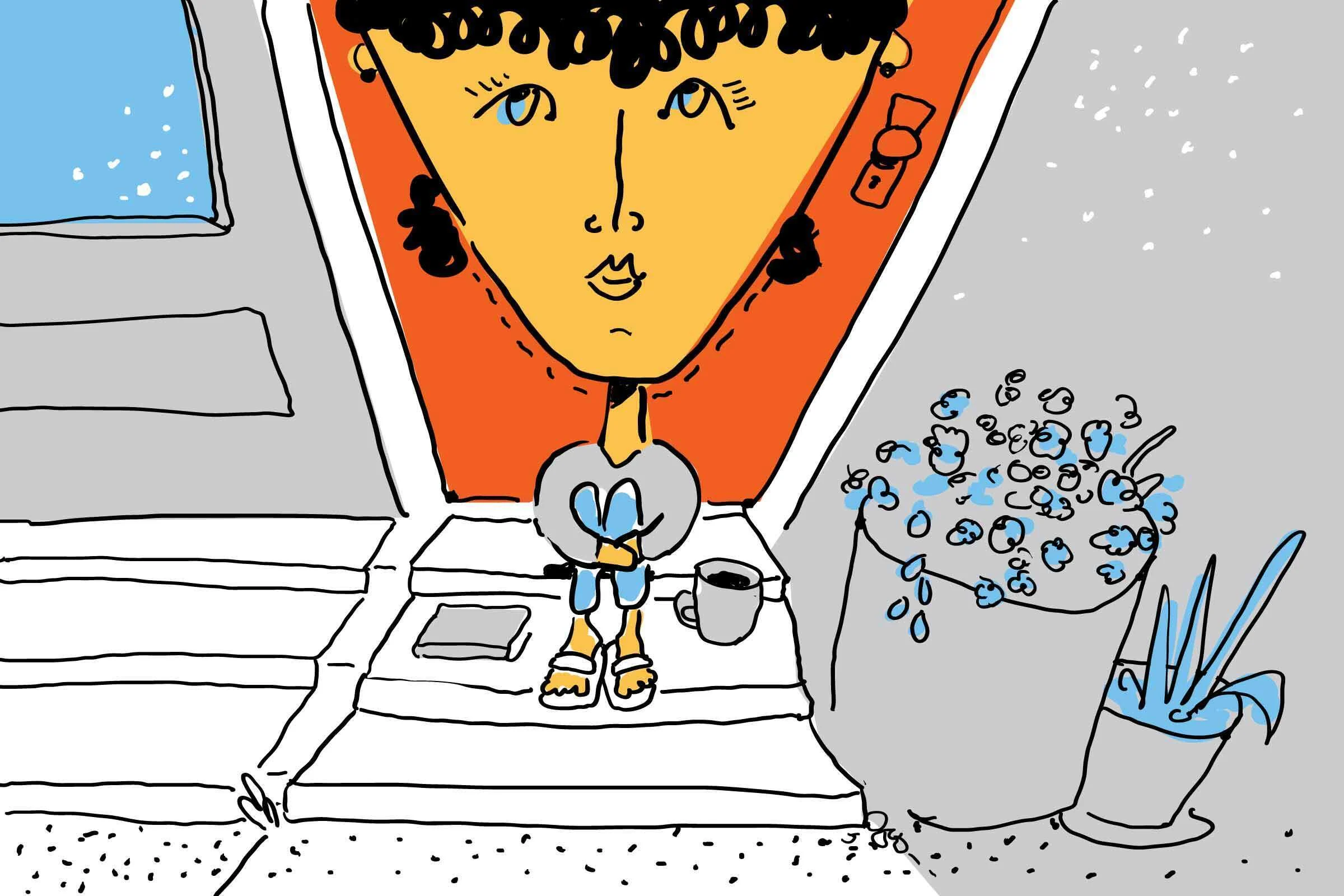
After a viral infection, many people experience prolonged fatigue that lasts for weeks or even months. "After COVID, I became a wreck."
Why do months pass, and people still can't return to their former lives? Post-infectious fatigue is a pathological condition characterized by severe weakness that persists after a viral infection and significantly reduces quality of life.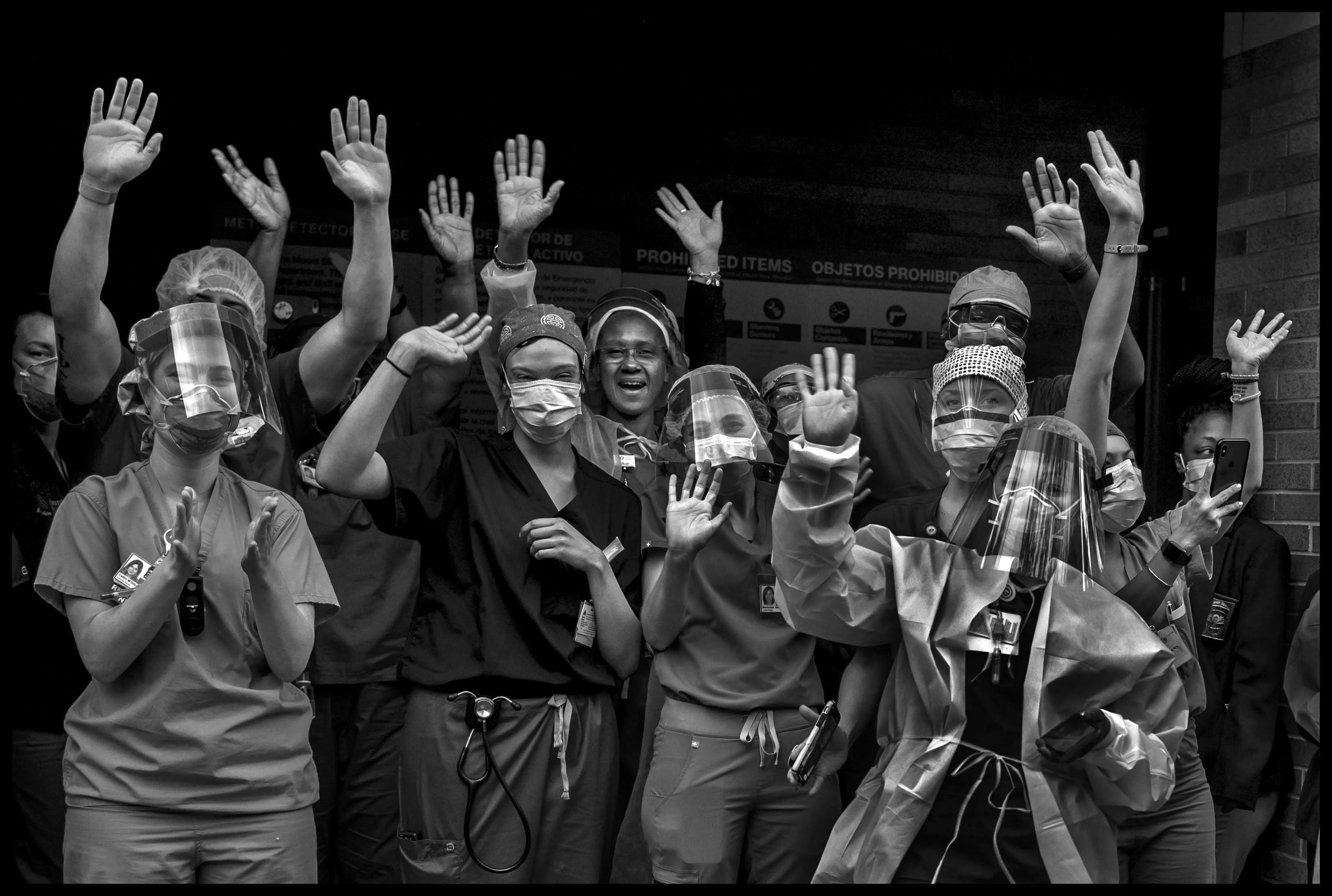
Chronic fatigue is a long-term, interfering feeling of exhaustion that doesn't resolve with regular rest. COVID-19 is a serious illness.
Fatigue is considered one of the most common complaints among people infected with SARS-CoV-2, the cause of the current COVID-19 pandemic that has entered our lives in the last two years. There are many reasons why people feel tired after a COVID-19 infection.
A continuing response to the COVID-19 virus even after the infection has cleared. COVID-19 and its Long-Term Effects. 81% of COVID-19 infections are mild (mild pneumonia or non-pneumonia), 14% have advanced disease with low oxygen levels, shortness of breath, and more than 50% involvement on lung imaging, and 5% may have critical disease findings such as respiratory failure and multiple organ failure.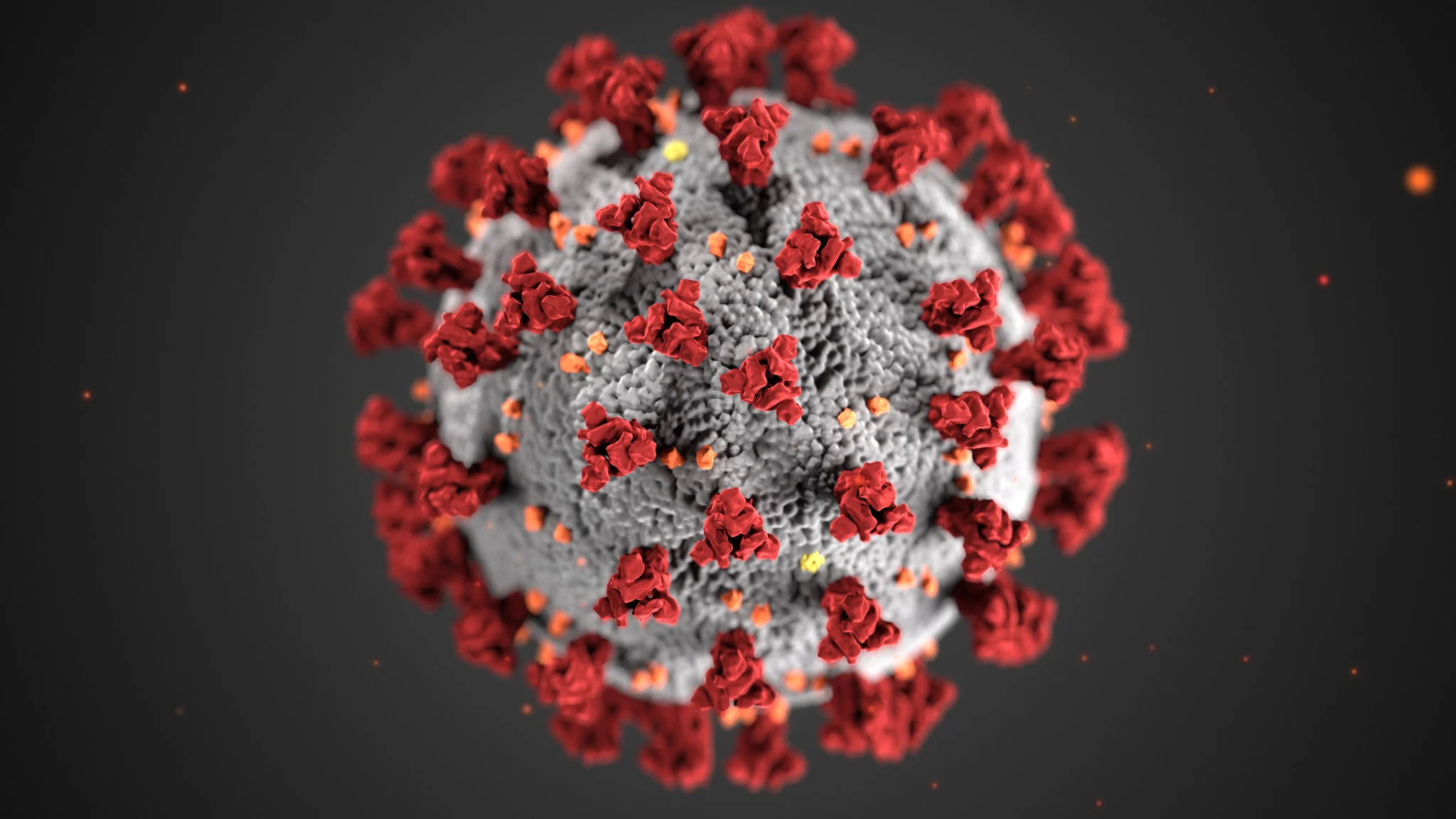
What are the long-term effects in people who have had COVID-19?
The definition of acute COVID-19 encompasses the period from the onset of symptoms to 4 weeks after. Preventing prolonged COVID depends on COVID-19 prevention measures (vaccination, masks, social distancing, hand hygiene).
Fatigue (13-87%) is the fourth most common symptom. Vaccination, in particular, significantly reduces the development of prolonged COVID.
Symptoms that may persist for a long time, in order of frequency, are: fatigue, shortness of breath, chest pain, and cough. While some symptoms tend to disappear much more quickly (2-4 weeks, e.g., fever, chills, loss of smell and taste); Post-infectious fatigue has several characteristic symptoms: Severe weakness, intensified after physical or mental exertion. This fatigue occurs in individuals aged 2-12 months and is often accompanied by a feeling of being overwhelmed by the effects of physical or mental exertion.
Post-infectious fatigue has several characteristic symptoms: Severe weakness, intensified after physical or mental exertion. This fatigue is caused by a feeling of being overwhelmed by the effects of physical or mental exertion.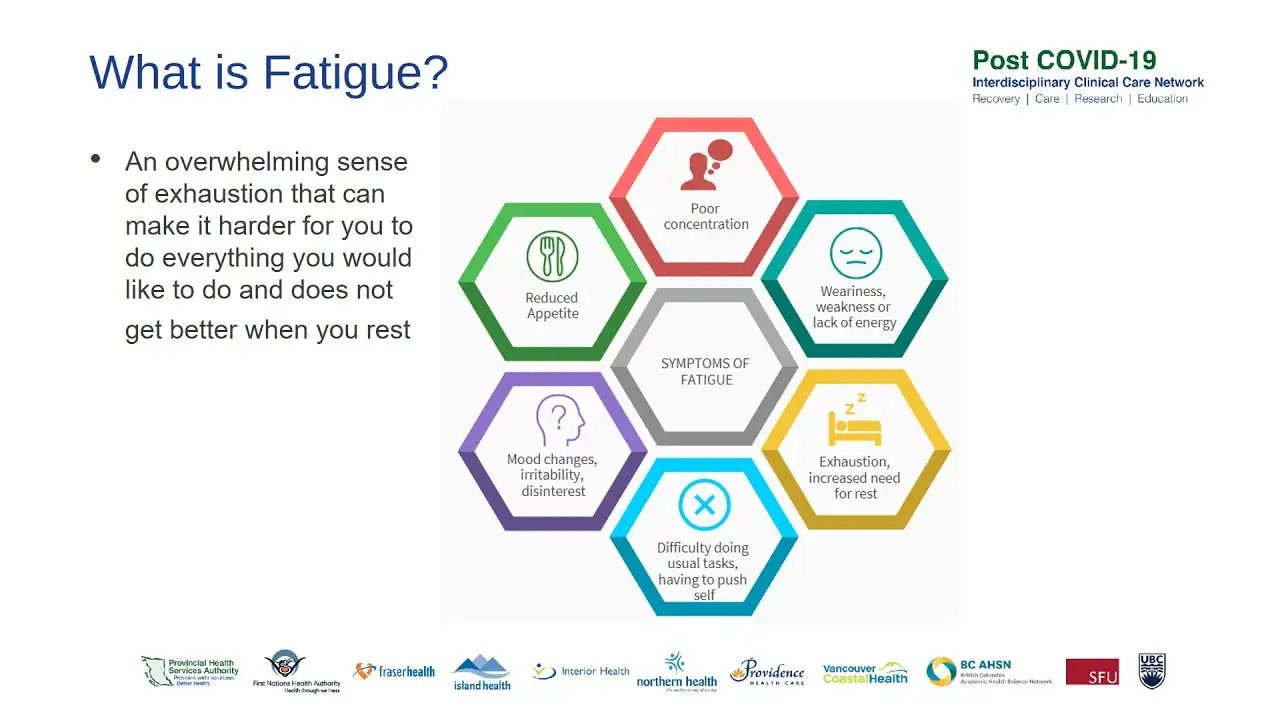
If you feel very tired throughout the day and yawn constantly, and experience muscle aches as well as occasional headaches and sore throats, how can you overcome post-COVID fatigue?
To minimize the feeling of fatigue after a viral infection, it is beneficial to focus on "modifiable factors." What can we use to combat fatigue?
According to recent data, approximately 85% of patients with post-infectious fatigue report significant improvement within a year when using a comprehensive approach. Post-infectious fatigue is a pathophysiological condition with a proven biological basis, not simply a subjective sensation or psychological problem.